


Lighter, Faster and Fully Protected: How Respirex GTL Gas-Tight Suits Support a Leading Research Facility’s Intervention Fire and Rescue Team
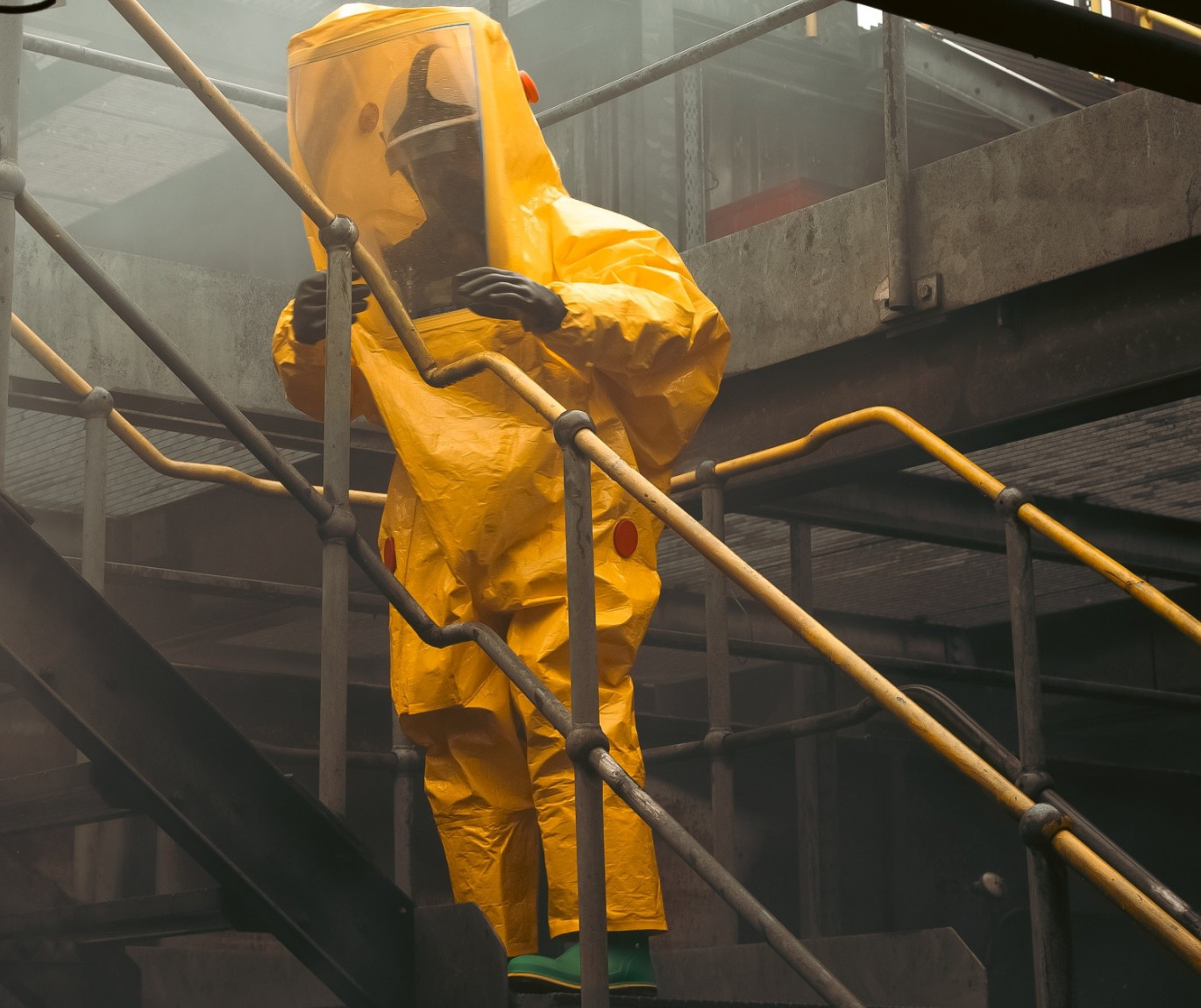
Our customer is one of the world’s leading R&D centres for nanoelectronics and digital technologies, based in Europe. Its main campus is spread across multiple buildings and home to major laboratories and state-of-the-art cleanroom facilities. These facilities support cutting-edge research, but they also mean the organisation operates in an environment where specialist safety capability is essential.
To protect staff, visitors, and complex infrastructure, the organisation maintains a dedicated Intervention Fire and Rescue team. The team is made up of trained responders who can act immediately on site, stabilising incidents and supporting the public fire brigade when needed. In many European countries, organisations running higher-risk technical or industrial environments are expected to have trained first-intervention capability to deal rapidly with fires, evacuations, and early-stage emergencies, and the organisation’s approach reflects that responsibility.
The intervention team is structured to provide reliable coverage for a large, busy campus and highly technical operations. With thousands of researchers and engineers on site and sensitive lab processes running every day, the organisation needs responders who understand both emergency practice and the unique hazards of a semiconductor and advanced-materials research environment. The Intervention Fire and Rescue team fills that role with professionalism and calm expertise, forming a vital part of the organisation’s wider safety culture.
The challenge: maintaining high protection without unnecessary burden
Gas-tight chemical protection is a critical requirement for intervention teams operating around potential toxic or corrosive releases. Traditionally this capability is provided through reusable fully encapsulating suits, which offer strong protection but can be heavier, hotter, and more demanding to deploy for frequent training and real-world readiness.
The team trains regularly to maintain a high standard of competence, and they need protective equipment that supports that readiness without adding avoidable fatigue or complexity. The aim is always the same: keep responders safe, keep response times fast, and ensure the team can operate confidently in demanding scenarios.
The solution: Respirex GTL gas-tight suits
Respirex International supplied the facility’s Intervention Fire and Rescue team with GTL gas-tight suits as a lighter-weight, more flexible alternative to their previous reusable suits. The GTL is a fully encapsulating, Type 1A-ET gas-tight suit designed for emergency teams working in atmospheres that may contain toxic, corrosive, or otherwise hazardous chemicals in gas, liquid, or solid form.
A key advantage for the team was the GTL’s exceptionally low weight and comfort. Manufactured in Chemprotex™ 400, the suit provides robust chemical barrier performance while noticeably reducing the physical load on the wearer. For an intervention team that trains often and must be ready to act quickly, this lighter design helps improve mobility, reduces heat and fatigue during wear, and supports more efficient donning in time-critical situations.
EN 943-2 is the stricter Emergency Teams tier of the gas-tight suit standard, built for teams responding to incidents rather than planned industrial use. Certification to it gives the organisation confidence the GTL performs to that higher bar, providing unrivalled protection for their team.
Outcome: stronger readiness with a practical, user-focused upgrade
By adopting the GTL, the Intervention Fire and Rescue team gains gas-tight protection that matches their operational needs while making day-to-day readiness more manageable. The lighter suit supports the team’s ability to train frequently, move decisively, and maintain comfort and concentration during demanding call-outs. This is not just a product change but a practical improvement to responder welfare and effectiveness.
Respirex is proud to support our customer’s safety mission. The Intervention Fire and Rescue team demonstrates a quiet, consistent professionalism that reflects the organisation’s commitment to safeguarding its people and research. Their expertise, preparation, and willingness to take responsibility for on-site emergency capability set a strong example of best practice in a complex technical environment. The GTL suits are a small but meaningful part of that broader story: advanced protection, chosen thoughtfully, to help skilled responders do their job even better.
Contact Us
Enquiry Submitted Successfully